Our locations
From high-growth cities to the rural heartland, we provide modern, on-the-ground risk management for New Zealand’s most ambitious businesses.

What you need to know
Gerrards is a New Zealand-owned insurance brokerage with its head office in Christchurch and brokers working with clients across the country. We're brokers, not insurers. That means we take your situation to the market, approach multiple insurers, compare what comes back and negotiate terms before recommending cover. Wherever you're based, you deal with someone who understands your region and works for you rather than for the insurer.

How this could protect you
A broker who knows your region and its risks.
Face to face when a risk is easier understood on site.
We manage your claim and push for a fair settlement.
Access to the wider market, not one insurer's product range.
One point of contact for renewals, paperwork and questions.
Annual reviews, so your sums insured keep pace with costs.
Our Headquarters
The central hub of our operations and the foundation of our work.
Christchurch (Head Office)
Gerrards' head office is based in Christchurch Central, serving Canterbury & New Zealand businesses, property owners, and rural clients. Our brokers work across commercial, rural, and personal insurance, taking your situation to multiple insurers to find the right fit.
Find your local team
Select your region below to get direct contact details and meet the brokers protecting businesses in your area.
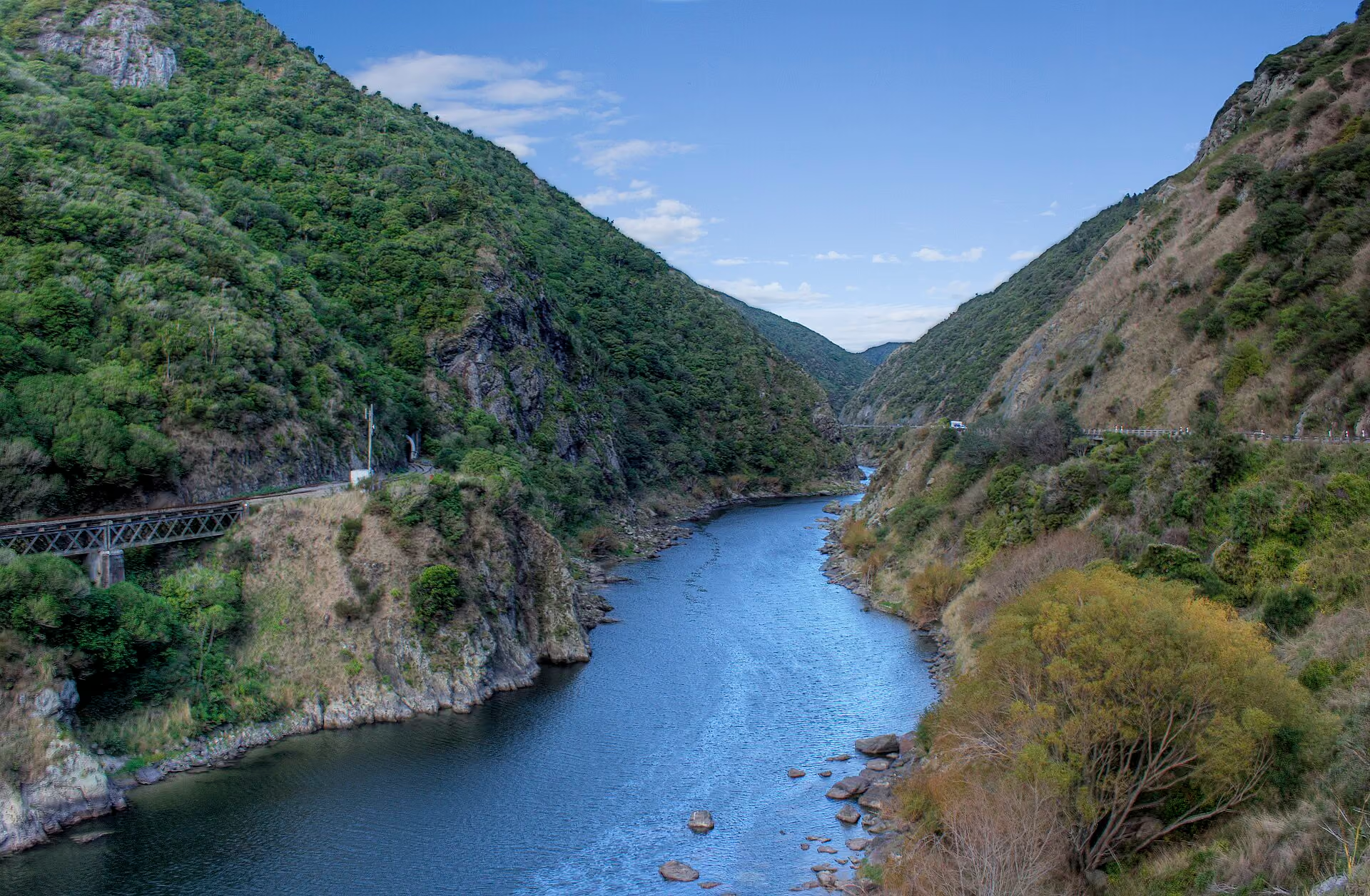
Manawatu

Bay of Plenty

Auckland East
Christchurch (Head Office)
Insurance that actually works for you
We aren’t here to just hand you an off-the-shelf policy and disappear. We are your risk managers, your advisors, and your loudest advocates when things go wrong.

Unmatched speed and precision
We don't do "average" and we don't do "slow." Our team operates with urgency, delivering fast turnarounds and proactive advice so your business never misses a beat.

Built for your exact risk
Generic cover leaves dangerous gaps. We take the time to understand the unique mechanics of your business to build a robust, customised safety net.

We fight your corner
We work for you, not the insurer. At claim time, our dedicated team steps in to manage the process, cut the red tape, and secure the best possible outcome.
Related FAQs
The answers that matter when you're deciding on coverage.
That's exactly the problem with doubling up without a clear structure. Most policies include other-insurance clauses that govern how insurers respond when more than one policy could apply to the same loss. In practice, the insurers negotiate between themselves about who contributes and how much, and that process can slow your claim down while you wait. The goal isn't to stack policies, it's to make sure your cover is structured so there are no gaps in the first place.
A mobile crane sits in both worlds, road travel to site is a motor risk, lifting on site is a plant risk, and neither policy type covers the full picture on its own by default. Some plant policies include road transit provisions, and some motor policies address tool of trade operations, but the extent of each varies. For a machine that genuinely does both, it's worth working through the specific wordings with a broker to make sure neither exposure is left uncovered.
Not automatically. Mobile plant policies are built around on-site working risk, and road transit cover isn't always included as standard. Some plant wordings do extend to road travel between sites, but the conditions attached vary. If your machine regularly moves between jobs under its own power, confirm with your broker whether your plant policy includes that exposure, or whether it needs to be specifically arranged.
It depends on the policy. Some commercial motor wordings include provisions that address tool of trade use, tipping is often listed as a defined working activity, but the scope of that cover varies between insurers. The risk is assuming one policy handles everything when it only handles one environment. A broker can check whether your current wording covers both exposures or whether there's a gap in the middle that needs addressing.
Being listed on a motor policy doesn't automatically mean you're covered while the machine is working. Many commercial motor wordings define tool of trade use separately, digging, scraping, lifting and similar activities, and some limit or exclude liability that arises during those operations. The road risk and the working risk are treated differently. Check your policy wording carefully, or ask your broker to confirm exactly what your motor policy does and doesn't cover once the machine starts operating on site.
It depends on your policy wording. Some policies extend cover to accessories and spare parts stored away from the machine, at your depot, home, or a secured worksite, but this is often an optional extension with its own limit, and it may not be active on your current policy unless it's been specifically arranged. Check your schedule, and if you're regularly storing high-value attachments off the machine, talk to your broker about whether that extension is in place.
Some plant policies include a blanket extension for small tools and loose gear, but there's often a per-item limit under that arrangement. If any individual piece of equipment is worth more than that per-item cap, it may only be partially covered unless it's listed separately. For operators carrying a lot of loose gear, a standalone equipment policy can be a practical alternative, covering accidental damage, accidental loss, and theft for items that don't fit neatly under a plant policy.
Some policies do include cover for reinstating signwriting following a total loss, but the value of the signwriting typically needs to be declared upfront as part of the vehicle declaration. If you haven't told your insurer what the signwriting is worth, you may not get it back in full. Let your broker know what's on the machine and make sure the value is captured in the schedule before you need to claim.
Not necessarily. Some policies treat electronic systems differently from mechanical attachments, and theft conditions can vary too, some wordings only respond to theft of accessories where there's evidence of forced entry into an enclosed vehicle or building. GPS and grade control systems are expensive and increasingly targeted, so it's worth checking whether yours is specifically noted on the schedule rather than assumed to fall under a general attachment clause.
Many plant policies cap the total value of interchangeable attachments at a percentage of the machine's sum insured. If your breaker and other attachments together exceed that cap, you may not recover their full value in a claim. The fix is straightforward: ask your broker to list high-value attachments as separate items on the schedule. That way each one has its own sum insured, not a share of a pooled limit.
What our clients are saying
Businesses and families trust us with what matters
Secure the exact cover your business needs
Getting insured shouldn't be a headache. We use innovative technology to strip away the paperwork and deliver a tailored, accurate quote in record time.