Marine Cargo Insurance NZ
Marine cargo insurance protects NZ businesses for loss or damage to their own goods in transit, whether importing, exporting, or shipping stock domestically. It's not the same as carrier's liability, and if you own the goods, you need your own policy.
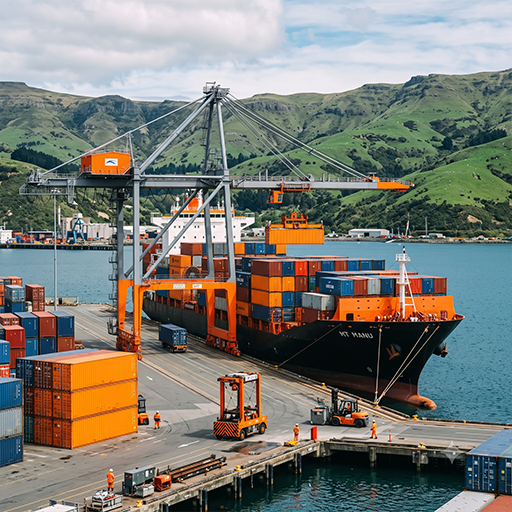
Marine cargo insurance covers your goods while they're in transit, by sea, air, road, or rail. It's designed for NZ businesses that import, export, or move stock, and it protects the owner of the goods, not the transport operator.
This is a critical distinction. Carrier's liability insurance covers the transport company's legal liability if they damage your freight. But that liability is often limited, and it doesn't automatically cover your loss. If you own the goods, you need your own marine cargo policy.
Gerrards arranges both annual open policies (for businesses with regular freight movements) and single-transit policies (for one-off shipments). We compare options across up to 20 insurers to find the right fit for your goods, routes, and risk profile.

How this could protect you
Cover for your goods in transit, not just the carrier's liability for them
Annual open policies for regular freight or single-transit for one-off shipments
Quotes compared across up to 20 insurers, including marine specialists
Advice on which Institute Cargo Clauses apply and what they actually mean
A broker who advocates for you at claim time, not the insurer
Annual policy reviews to catch gaps before a shipment goes wrong
Years of experience
Clients protected
5-star reviews
What's covered
What Marine Cargo Insurance Covers
Marine cargo insurance protects your goods while they're in transit by sea, air, road, or rail. Cover applies while goods are on any carrying conveyance, including while stationary, and while they're on loading docks, wharves, or holding areas waiting on transport.
Typically covered under a marine cargo policy:
- Loss or physical damage to your goods during transit
- Sea, air, road, and rail freight movements
- International and domestic shipments
- War and strikes risks (where Institute War and Strikes Clauses apply; war cover generally only applies while goods are on board a ship or aircraft)
- Goods in transit across multiple legs of a journey
Key exclusions to be aware of:
- Goods in storage outside the ordinary course of transit (under some wordings, once a storage charge is made, they're no longer "in transit")
- Inherent vice or natural deterioration of goods
- Shelf life expiry and natural ripening or ageing processes
- Terrorism (subject to policy-specific terms)
- Valuable cargo categories (bullion, jewellery, negotiable instruments) may require specific declaration
The breadth of cover depends on which Institute Cargo Clauses apply, A, B, or C. Clause A is the broadest. We'll help you understand what you're getting before you commit to a policy.
Why you need this
Why NZ Businesses Need Their Own Marine Cargo Policy
The most common misconception in freight insurance: "the transport company is covered, so my goods are covered." They're not the same thing.
Carrier's liability insurance protects the transport operator against their legal liability to you. That liability is often capped, sometimes at a per-kilogram rate that has nothing to do with the actual value of your goods. Carriers can also rely on legal defences, so their liability may not cover your loss at all.
Your marine cargo policy responds to loss or damage to your goods from insured events, regardless of who was at fault. That's a fundamentally different type of protection.
This matters most when:
- You're importing goods from overseas suppliers and the value of a single shipment is significant
- You're exporting and your customer relationship depends on goods arriving intact
- You're moving high-value stock domestically and can't absorb the loss of a full load
- Your carrier's liability terms are limited or unclear
- You're dealing with specialist or fragile goods that carry higher damage risk
If your business would take a real financial hit from losing a shipment, you need your own cover. Talk to your broker about whether this applies to your situation.
How We Get You Covered
Straightforward from first call to policy in hand. We aim to respond the same day.
Tell Us About Your Freight
We'll ask about your goods, shipping routes, freight volume, and whether you need an annual policy or single-transit cover.
We Compare the Market
We go to our panel of up to 20 insurers, including marine specialists, and find the terms and premium that fit your situation.
We Explain What You're Getting
We walk you through the Institute Cargo Clauses, key exclusions, and anything specific to your goods or routes before you commit.
Policy Placed, You're Protected
Once you're happy, we place the policy and you're covered. We stay in your corner at renewal and if you ever need to make a claim.
Pricing factors
What Affects Your Marine Cargo Premium
Marine cargo premiums vary depending on several factors specific to your freight and business. Here's what insurers look at:
- Nature of the goods, fragile, perishable, high-value, or hazardous goods carry higher risk and affect the premium accordingly
- Shipping routes, international routes, particularly to or from higher-risk regions, influence the rate; domestic-only shipments are typically rated differently
- Mode of transport, sea, air, road, and rail each carry different risk profiles; multi-modal journeys add complexity
- Annual freight value, for open policies, your estimated total freight value during the policy period is a primary rating factor
- Institute Cargo Clauses, Clause A (broadest cover) will generally cost more than Clause B or C; the clause that applies directly affects your premium
- Claims history, a history of frequent or high-value cargo claims will affect the terms insurers are willing to offer
Every business is different. The best way to understand what you'll pay is to get a proper quote based on your actual freight profile.
Local brokers, New Zealand-wide
From our Christchurch head office to our teams in Auckland East, Bay of Plenty and Manawatu, Gerrards brokers arrange cover for businesses across New Zealand. Find the team closest to you.
Related FAQs
The answers that matter when you're deciding on coverage.
What our clients are saying
Businesses and families trust us with what matters
Your Goods Are Moving. Are They Actually Covered?
A lot of NZ business owners assume their freight is covered because the transport company has insurance. It's an easy assumption to make. But here's what actually happens when something goes wrong: the carrier's policy covers their liability, not your loss. And their liability is often capped well below the value of what you've shipped.
If you own the goods, you need your own cover. That's what marine cargo insurance is for.
What Marine Cargo Insurance Actually Covers
Marine cargo insurance protects your goods while they're in transit, from the moment they leave origin to the moment they arrive at destination. It applies across all modes of transport: sea, air, road, and rail.
Under a standard policy, your goods are considered "in transit" while they're on any carrying conveyance, including while stationary, or while sitting on loading docks, wharves, or holding areas waiting on transport. That's broader than most people expect.
Under some wordings, cover stops once goods are in a storage facility where a storage charge is being made, or once they reach their final destination or are stored outside the ordinary course of transit. Once your freight moves from transit into paid storage, the policy definition changes, and so does your cover. Worth knowing before you assume you're protected end-to-end.
Annual Open Policies vs. Single-Transit Policies
If your business ships goods regularly, whether you're importing product from overseas suppliers or moving stock between NZ locations, an annual open policy is usually the right structure. It covers all your transits within agreed parameters during the policy period. Depending on the policy, you may still need to declare shipments periodically.
For one-off or infrequent shipments, a single-transit policy makes more sense. You declare the specific shipment, the route, and the value, and you're covered for that movement.
The right choice depends on your freight volume, the nature of your goods, and how your supply chain works. That's exactly the kind of thing we work through with clients before recommending anything.
Why Carrier's Liability Isn't Enough
This is a gap that catches many NZ businesses out.
Carrier's liability insurance is held by the transport operator, the trucking company, the freight forwarder, the shipping line. It covers their legal liability to you if they damage or lose your goods. But that liability is defined by law and by contract, and it's often limited in ways that don't reflect the actual value of what you've shipped.
Say your container of imported goods is damaged at sea. The shipping line's liability might be capped at a standard per-kilogram rate that bears no resemblance to what your stock is actually worth. Without your own marine cargo policy, you're absorbing that difference.
The other issue: carriers have legal defences and limits. For domestic carriage, the Contract and Commercial Law Act 2017 generally caps a carrier's liability at $2,000 per unit of goods unless a higher value is declared and agreed. For sea freight, international rules give carriers defences for events like perils of the sea, along with per-package or per-kilogram limits. Either way, the carrier's liability often won't match the value of your goods.
Your marine cargo policy responds to loss or damage to your goods from insured events, regardless of who's at fault.
Who Needs Marine Cargo Insurance in NZ
The short answer: any business that owns goods while they're moving.
That includes importers bringing product into New Zealand, exporters shipping goods to overseas customers, wholesalers and distributors moving stock between locations, manufacturers receiving raw materials or sending finished product, and retailers with supply chains that cross borders or cover significant domestic distances.
If your business would take a meaningful financial hit from losing a shipment, whether that's one container or one pallet, you need to think seriously about whether you're covered.
A Note on Valuable and Specialist Cargo
Not all goods are treated the same under a marine cargo policy. Certain categories, including bullion, precious metals, jewellery, bank notes, negotiable instruments, antiques, and works of art, are typically classified as valuable cargo and may require specific declaration or specialist terms.
If you're shipping anything in this category, don't assume a standard policy will respond in the way you'd expect. Talk to us first.
What Affects Your Premium
Marine cargo premiums are calculated based on the nature of your goods, the routes you're shipping, the mode of transport, and the total value being moved. Annual policies are typically rated on your estimated annual freight value, with adjustments at renewal based on actual declarations.
The Institute Cargo Clauses, A, B, or C, set the breadth of cover, with Clause A being the broadest. Which clause applies to your policy matters significantly, and it's one of the first things we look at when reviewing a marine cargo arrangement.
How Gerrards Approaches Marine Cargo
We work with a range of insurers who specialise in marine cargo, including Ando and Vero Marine Insurance. That means we can compare terms, clauses, and pricing across the market, not just push you toward one option.
When we set up a marine cargo policy, we're looking at more than just the premium. We're checking which Institute Clauses apply, how the transit definition works for your specific supply chain, whether your goods require any special terms, and what happens at claim time.
That last point matters. When you have a claim on a marine cargo policy, you want a broker in your corner who understands the policy wording and knows how to push back if the insurer's initial response isn't right. That's what we do.
Every business is different, your policy needs will depend on your specific circumstances. This is general information only. For advice tailored to your situation, get in touch with our team.
Secure the exact cover your business needs
We compare up to 20 insurers to find the right cover for your goods in transit, annual policies, single-transit, import or export. We aim to respond the same day.