Roller, Grader & Roading Plant Insurance
Specialist insurance for roading and civil contractors operating rollers, graders, pavers and other heavy plant, covering physical damage, liability, and the contract requirements that come with council and NZTA work.
What This Page Covers
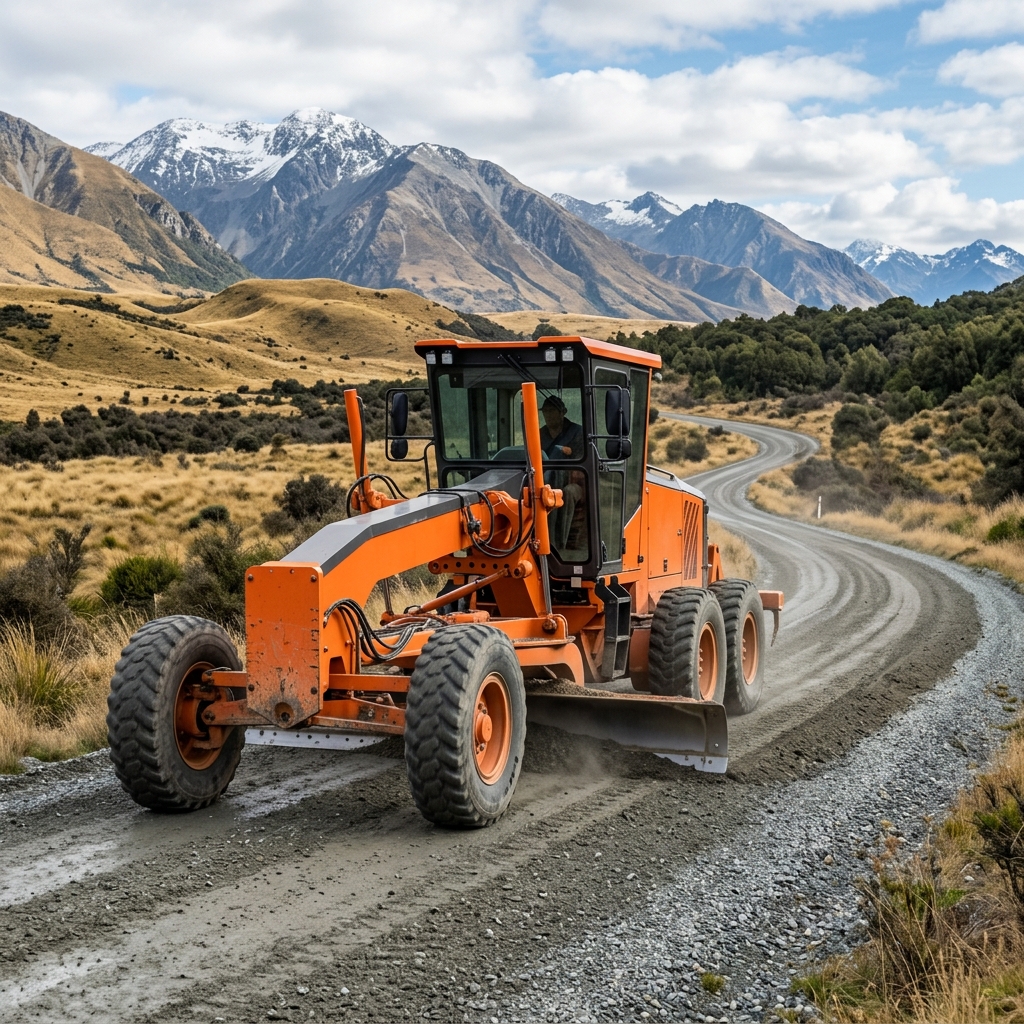
Roading plant insurance protects rollers, graders, pavers, and other heavy machinery used by roading and civil contractors against physical loss or damage, third-party liability, and a range of operational risks.
Key points to understand:
- Standard plant policies cover physical damage to your machine caused by accidents, but the scope of what counts as an accident varies between insurers, so the wording matters.
- Liability cover is typically included, protecting you if your machine causes property damage to a third party, or an injury claim that falls outside ACC, during operations.
- Some policy wordings include a principal's indemnity extension, which extends liability cover to the project principal (such as a council or NZTA) for claims arising from your machine. This is often a contract requirement.
- Optional extensions: such as hired-in plant, finance payment protection, and consequential loss cover, are available on many policies but need to be specifically arranged.
- Roading contracts carry specific insurance requirements that a standard plant policy may not automatically satisfy. A broker can check your policy against your contract before you sign.
This is general information only. For advice tailored to your situation, get in touch with our team.

How this could protect you
Cover for physical damage to your rollers, graders, pavers and other roading plant
Liability protection if your machine causes property damage, or an injury claim outside ACC, on site
Principal's indemnity extension available, often required by council and NZTA contracts
Hired-in plant cover so borrowed or leased machines don't leave you exposed
Policy checked against your actual contract requirements before you sign
Claims advocacy, we work for you, not the insurer, if a dispute arises
Years of experience
Clients protected
5-star reviews
What's covered
What Roading Plant Insurance Covers
A roading plant policy typically covers sudden physical loss or damage to your machinery caused by an accident, whether that's a rollover, a collision, or damage during operation. Liability cover is usually included, protecting you against third-party property damage claims, and injury claims that fall outside ACC, arising from your machine.
Depending on the policy and insurer, cover can extend to include:
- Hired-in plant: machines you lease or hire from another party
- Finance payment protection: ongoing finance obligations while a machine is off the road
- Consequential loss: revenue lost while a machine is being repaired
- Principal's indemnity: liability cover extended to your project principal (council, NZTA)
- Goods on hook: accidental damage to materials being handled by your machine
- Transit: cover while plant is being moved between sites
What's covered depends on the specific policy wording and which extensions are included. Talk to your broker about whether each of these applies to your situation.
Why you need this
Why Roading Contractors Need Specialist Cover
Roading plant operates in a high-exposure environment, public roads, live traffic, government contracts, and machines worth serious money. A standard plant policy might cover the basics, but roading and civil contracts often require more than the basics.
Council and NZTA contracts regularly specify minimum liability limits, principal's indemnity extensions, and other requirements that a generic policy may not satisfy. If your insurance doesn't match your contract, you're either in breach or scrambling to fix it before work starts.
Beyond the contract requirements, the financial exposure from a damaged roller or grader, and the lost revenue while it's off the road, can be significant. Getting the cover right before something goes wrong is considerably cheaper than finding out it wasn't right afterwards.
Every business is different. Your policy needs will depend on your fleet, your contracts, and how you operate.
How Gerrards Arranges Your Roading Plant Cover
Four straightforward steps, from your first call to a policy that actually works for your contracts.
Tell Us About Your Fleet and Contracts
We start by understanding what machines you run, how they're used, and what your current or upcoming contracts require. The contract requirements matter as much as the fleet.
We Compare the Market
With access to up to 20 insurers, we identify policies that cover your specific plant and include the extensions your contracts ask for, principal's indemnity, hired-in plant, or whatever applies.
We Walk You Through the Options
No jargon, no pressure. We explain what each option covers, what it doesn't, and why we're recommending it. We aim to respond the same day.
Ongoing Support and Annual Review
We review your policy annually to catch gaps, check it still matches your contracts, and make sure you're not paying for cover you don't need, or missing cover you do.
Pricing factors
What Affects the Premium on Roading Plant Insurance
Several factors influence what you'll pay for roading plant cover. Understanding them helps you make informed decisions, not just accept the first number you're given.
- Machine value and age: The sum insured is the starting point. Older machines may attract different terms depending on their condition and maintenance history.
- Type of plant: A self-propelled paver carries different risk characteristics than a static roller. The type of machine, how it's used, and where it operates all affect the premium.
- Operating environment: Plant working on public roads alongside live traffic is assessed differently from plant on private or controlled sites.
- Claims history: A clean claims record generally works in your favour. Multiple recent claims will attract scrutiny and may affect terms.
- Extensions included: Adding hired-in plant cover, principal's indemnity, or consequential loss protection will affect the premium. Each extension adds risk for the insurer.
- Fleet size: Insuring multiple machines under a single policy often produces better overall terms than insuring each machine separately.
Local brokers, New Zealand-wide
From our Christchurch head office to our teams in Auckland East, Bay of Plenty and Manawatu, Gerrards brokers arrange cover for businesses across New Zealand. Find the team closest to you.
Related FAQs
The answers that matter when you're deciding on coverage.
Not automatically. Whether a head contractor or project principal is covered under your policy depends on whether your wording includes a cross-liability or principal's indemnity extension. Many roading and civil contracts now require subcontractors to carry this cover specifically so the principal is protected if your machine causes a third-party claim. Check your contract requirements first, then check your policy wording, those two documents need to align.
Transit cover isn't automatic on all plant policies, and the conditions that apply vary. Some wordings extend cover to machines in transit as part of normal operations; others treat it as a separate exposure or apply different conditions. The key question is whether your policy schedule and wording specifically address the machine while it's being transported, not just while it's working on site. If you're regularly moving plant between projects, confirm this with your broker at renewal.
You need to read the policy wording, not just the schedule. Principal's indemnity is an extension that some plant policies include as standard, some offer as an optional add-on, and some don't offer at all. A certificate of insurance won't always make it obvious. If you're tendering for council or NZTA work, get your broker to confirm in writing that the extension is in your wording and that it satisfies what the contract is asking for, before you sign.
This is a genuinely grey area, and it's one of the more common coverage disputes for roading contractors. Whether a motor policy or a plant liability policy responds depends on what the machine was doing at the time and how each policy defines the insured activity. Some contractors find themselves with a gap between the two. It's worth having a broker map both policies against your actual operating pattern before you need to find out the hard way.
It can. Registration status and insurance cover aren't the same thing, and some policy wordings define permitted use in ways that interact with how the machine is registered. If your roller operates on public roads as part of normal roading work, make sure your policy wording actually covers that use. A broker can check whether your current policy responds the way you'd expect it to before a claim tests it.
What our clients are saying
Businesses and families trust us with what matters
Roading Plant Insurance: What Contractors Actually Need to Know
You've got a roller sitting on a sealed road job, a grader working a rural contract, and a paver crew halfway through a council project. Every one of those machines represents serious capital, and serious exposure if something goes wrong.
Roading plant insurance isn't just about protecting the machine. It's about making sure your contracts stack up, your liability is covered, and you're not left carrying a loss that should have been someone else's problem.
Here's what most contractors don't check until it's too late.
Why Roading Plant Is a Different Risk Category
Not all mobile plant is the same. A roller working a sealed road job operates in a fundamentally different risk environment than a forklift in a warehouse or a digger on a private site. You're working on public roads, alongside live traffic, under contracts with government bodies, and often with machines that cost hundreds of thousands of dollars to replace.
That combination, high machine value, public exposure, and contract obligations, means the insurance needs to be right across multiple fronts at once.
The Physical Damage Side
Most plant policies cover sudden physical loss or damage to your machine caused by an accident. But the definition of "accident" in the policy wording does a lot of heavy lifting. Some wordings are broad. Others have exclusions that matter, for example, around mechanical or electrical breakdown, wear and tear, or machines being used outside their intended purpose.
For roading plant specifically, watch for exclusions around:
- Damage caused by the machine being operated contrary to manufacturer guidelines
- Gradual deterioration versus sudden accidental damage
- Ingestion of foreign objects (some policies extend to cover this, others don't)
- Damage that occurs while the machine is being transported between sites
None of these are deal-breakers on their own, but they're the kind of thing that creates a dispute at claim time if you haven't read the wording.
The Liability Side
Most plant policies include liability cover for third-party property damage caused by your machine. For a roller or grader operating on or near a public road, that's not optional, it's essential.
But liability cover in a plant policy isn't the same as a standalone public liability policy. The scope, limits, and conditions can differ significantly. Some contractors carry both, and for good reason.
If you're operating under a contract with a council, NZTA, or another principal, check what liability limits they're requiring. Then check what your policy actually provides. Those two numbers don't always match.
The Principal's Indemnity Extension, and Why It Matters for Roading Contracts
This is the one that catches contractors off guard.
Some plant policy wordings include an extension that covers the project principal's liability, meaning the council or NZTA, for claims that arise from your machine. If a third party suffers property damage, or brings an injury claim that falls outside ACC, because of something your roller or grader did, and the principal gets dragged into the claim, this extension means your policy responds on their behalf too.
That matters because some roading and civil contracts specifically require it. The contract will ask you to hold a policy that includes principal's indemnity cover, and if yours doesn't have it, you're either in breach of contract or scrambling to arrange it at the last minute.
Not every plant policy includes this extension as standard. Some offer it as an optional add-on. Some don't offer it at all. A broker who works with roading contractors regularly will know which policies carry it and how to check whether your current wording satisfies what the contract is asking for.
What Roading Contracts Typically Ask For
Contracts with councils, NZTA, or other principals usually specify minimum insurance requirements. In general terms, you'll often see requirements around:
- Public liability: a minimum sum insured for third-party claims
- Physical damage: evidence that your plant is insured for its replacement value
- Principal's indemnity: the extension discussed above
- Cross-liability: where multiple parties on a project are treated as separately insured
The specific requirements vary by contract, by principal, and by project scale. What doesn't vary is the expectation that you can provide a certificate of insurance that confirms compliance before work starts.
If your policy doesn't match what the contract requires, you have two options: arrange the right cover before you sign, or negotiate the contract terms. The first option is almost always easier.
This is exactly the kind of check a broker should be doing with you, not just arranging a policy, but reading it against your actual contract obligations.
Extensions Worth Knowing About
Beyond the core physical damage and liability cover, a number of optional extensions are available on many plant policies. Whether you need them depends on how you operate.
Hired-In Plant
If you hire in additional rollers, graders, or other plant to supplement your own fleet, your standard policy probably doesn't cover those machines automatically. Many policies offer a hired-in plant extension that responds when a hired machine is damaged while in your care. Check whether a formal written hire agreement is required for the cover to apply, on many policies, it is. For more on how this works, see our guide to hired-in plant insurance.
Finance Payment Protection
If your plant is financed, some policies include an extension that covers your ongoing finance or lease payments while a damaged machine is being repaired or replaced. Given how long parts and repairs can take in the current market, this can be meaningful. It's worth checking whether your policy includes it and under what conditions it applies.
Consequential Loss / Machinery Downtime
A damaged machine doesn't just cost you repair money, it costs you the revenue you can't earn while it's off the road. Some policies extend to cover this, subject to conditions around minimum repair periods and maximum claim periods. If your business depends on a specific machine being operational to meet contract deadlines, machinery downtime cover is worth a serious conversation.
Goods on Hook
If your machine handles materials or loads belonging to others, some policies extend to cover accidental damage to those goods while they're being handled. Not always relevant for roading plant, but worth knowing about if your operation involves any materials handling.
A Practical Checklist for Roading Contractors
Before you renew your plant policy, or sign your next contract, run through these:
- Does your policy cover all machines in your fleet? Check that every roller, grader, paver, and ancillary item is listed in the schedule.
- Is the sum insured current? Plant values have moved. An underinsured machine means an underinsured claim.
- Does your policy include liability cover, and at what limit? Compare this to what your contracts require.
- Does your wording include a principal's indemnity extension? If your contracts ask for it, confirm it's there, not assumed.
- Are hired machines covered? If you regularly hire in plant, check whether you need the extension.
- Is your policy excess workable? Some plant policies apply a percentage excess rather than a fixed amount. Know what you're up for.
- Does your cover extend to machines in transit? Getting a roller to site and back is part of the job, make sure it's covered the whole time. Our mobile plant road cover page explains how transit cover typically works.
- What happens if you hit an underground service? Roading work and underground utilities go hand in hand. Check whether your policy or a separate underground services damage policy responds.
What Gerrards Does Differently
Most contractors arrange plant insurance once and don't look at it again until renewal. That's understandable, you're running a business, not an insurance department. But it's also how gaps appear.
At Gerrards, we work with roading and civil contractors across New Zealand. We know the contract requirements that come with council and NZTA work, we know which policy wordings carry the extensions that matter, and we know what questions to ask before a claim happens rather than after.
We have access to up to 20 insurers, which means we're comparing the actual market, not pushing a single product. When we put a policy in front of you, we can explain what it covers, what it doesn't, and why we've recommended it over the alternatives.
And if you do have a claim, we're on your side. Not the insurer's. That distinction matters more than most people realise until they're in the middle of a dispute.
For contractors running tracked or specialised machinery alongside their roading fleet, see also our pages on machinery insurance and bulldozer insurance, the cover principles are similar, but the specific risks and policy requirements differ.
Who This Cover Is For
Roading plant insurance is relevant to:
- Roading contractors operating rollers, graders, pavers, and compactors on sealed and unsealed road projects
- Civil contractors whose fleet includes plant used on roading, drainage, or earthworks contracts
- Subcontractors working under principal contractors on council or NZTA projects
- Plant hire businesses that own roading plant and lease it to contractors
If you're working under a contract that specifies insurance requirements, and most roading contracts do, you need a policy that actually satisfies those requirements. Not one that approximately satisfies them.
Get the Right Cover Before the Contract Starts
The worst time to find out your insurance doesn't match your contract is after you've signed and mobilised. The second worst time is at claim time.
If you're tendering for a new roading contract, renewing your plant policy, or just not sure whether what you've got is actually right for how you operate, talk to us. We'll go through your fleet, your contracts, and your current policy, and tell you plainly what's working and what isn't.
Every business is different. Your policy needs will depend on your specific circumstances, the contracts you hold, and how your fleet is structured. This is general information only. For advice tailored to your situation, get in touch with our team.
Call us on 0800 374 691 or request a quote online. We aim to respond the same day.
Secure the exact cover your business needs
We'll check your policy against your actual contract requirements, and tell you plainly if something's missing. Same-day response, 8am-7pm, 7 days.