Telehandler Insurance
Telehandlers carry serious lifting and liability risks that standard vehicle policies often miss. Gerrards compares specialist plant insurance across up to 20 insurers to make sure your machine, and your business, are properly protected.
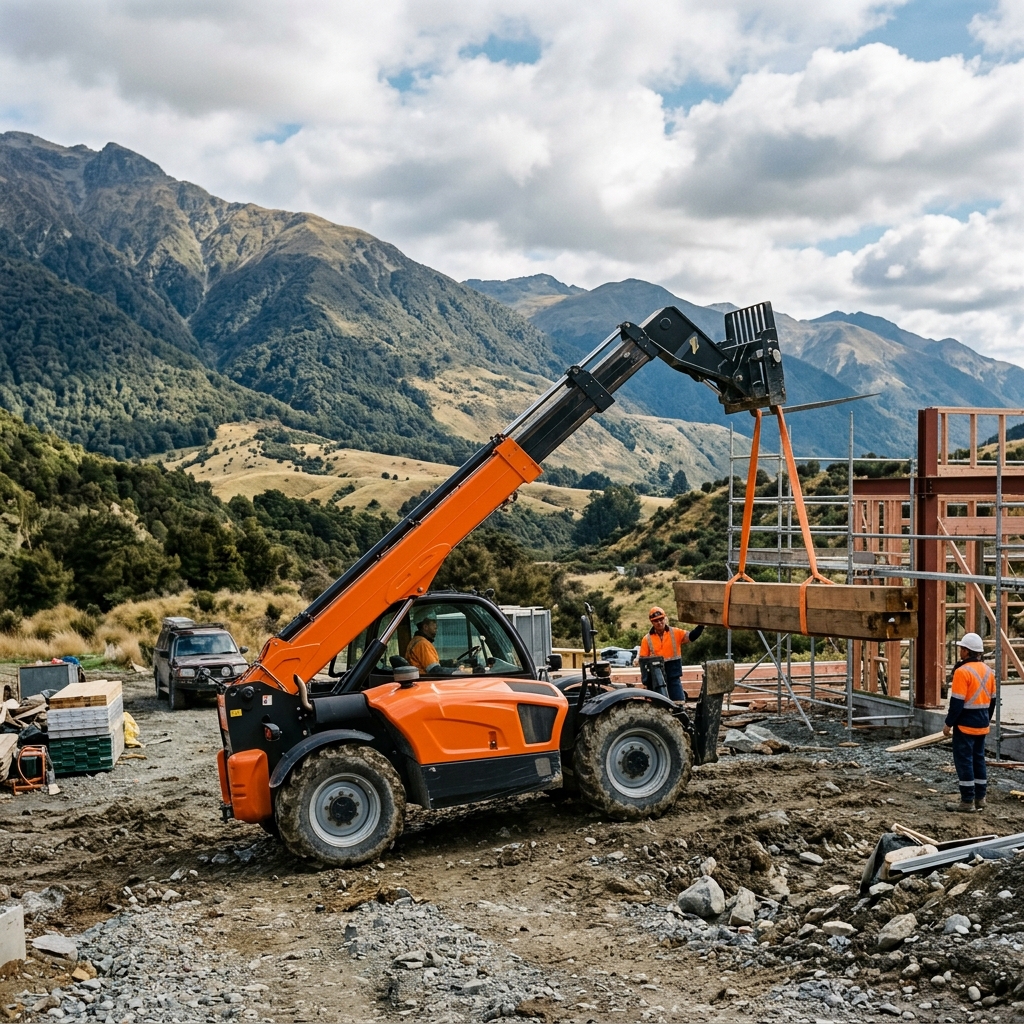
What You Need to Know About Telehandler Insurance in NZ
Telehandler insurance in New Zealand typically needs to cover two distinct exposures: physical damage to the machine itself and liability for what the machine does: including goods lifted on hook, third-party property damage, and injury claims that fall outside ACC.
Key things to understand before you buy:
- Standard vehicle or fleet policies often exclude telehandlers operating in their specialised function (lifting, placing, carrying loads)
- Goods on hook cover, protection for property being lifted, is a separate extension that many policies don't include automatically
- Overloading is a common exclusion in plant policy wordings; operating beyond rated capacity can lead to a declined claim if it contributed to the loss
- Attachments (forks, buckets, work platforms) may need to be specifically listed to be covered
- Whether your machine is owned, hired, or leased affects how the policy needs to be structured
This is general information only. For advice tailored to your situation, get in touch with our team.

How this could protect you
Cover for your telehandler's actual replacement value, not an outdated sum insured
Liability protection that extends to lifting operations, not just road use
Goods on hook cover for third-party property damaged during lifts
Attachments listed correctly so forks, buckets and platforms are included
Hired-in plant cover if you use rental machines alongside your own fleet
Annual policy review so gaps don't appear as your operation changes
Years of experience
Clients protected
5-star reviews
What's covered
What Telehandler Insurance Typically Covers
A well-structured telehandler policy generally brings together physical damage cover for the machine itself, including accidental damage, rollover, fire, and theft, alongside liability cover for property damage (and injury claims outside ACC) caused to third parties during operation.
Beyond the basics, the components that matter most for telehandlers include:
- Goods on hook: cover for property being lifted, lowered, or carried by the machine
- Mechanical plant liability: extending liability cover to the machine's specialised lifting function, not just road use
- Attachments: forks, buckets, work platforms, and jibs listed on the schedule
- Hired-in plant: protection for rental machines in your care
- Transit cover: for the machine while being transported between sites
Every policy is different. Some include these extensions automatically; others require them to be added. Check with your broker before assuming they're in place.
This is general information only. Policy terms, conditions, and exclusions vary between insurers.
Why you need this
Why Standard Policies Often Fall Short
Telehandlers sit across multiple insurance categories, vehicle, plant, lifting equipment, and sometimes elevated work platform. Most standard policies are written for one category at a time.
The result? A machine that's technically listed on a policy but not covered for the work it actually does. Vehicle policies often exclude liability arising from a machine's specialised lifting function. General liability policies may not extend to goods being lifted. Farm policies may not contemplate a machine operating on a third-party construction site.
Overloading is a particular risk. Many plant policy wordings treat operation beyond rated capacity as an exclusion, and overloading can happen without intent, simply through misjudging a load or extending the boom further than the chart allows.
Getting this wrong doesn't just mean a declined claim. It can mean liability exposure for the business, contractual penalties if a principal contractor's requirements weren't met, and repair or replacement costs that come entirely out of pocket.
Every business is different, your policy needs will depend on your specific circumstances.
How Gerrards Arranges Your Telehandler Cover
Four straightforward steps from first call to confirmed policy, with a same-day response.
Tell Us About Your Machine
Make, model, year, attachments, how it's used, and where it operates. The more context you give us, the better the fit.
We Compare the Market
We approach our panel of up to 20 insurers and identify the policies that genuinely cover your operation, not just the cheapest option.
We Present Your Options
Clear comparison of what each policy covers, where the gaps are, and what we recommend, and why. No jargon, no pressure.
Cover Confirmed, Policy Reviewed Annually
Once you're on cover, we review your policy every year to make sure it still fits as your fleet and operations change.
Pricing factors
What Affects the Premium for Telehandler Insurance
Several factors influence what you'll pay for telehandler insurance in New Zealand:
- Machine value and age: Higher replacement values mean higher premiums. Older machines may attract different terms depending on their condition and maintenance history.
- How the machine is used: A telehandler on a farm carries a different risk profile to one operating on a busy construction site. Frequency of use, load types, and operating environment all affect the premium.
- Attachments and specialised functions: Machines used as elevated work platforms or with non-standard attachments may attract additional loading due to the increased liability exposure.
- Operator experience and controls: Insurers often consider whether operators are licensed, trained, and whether the business has formal health and safety procedures in place.
- Claims history: Previous plant claims, particularly those involving overloading, rollovers, or third-party damage, will be taken into account.
- Cover structure: Whether you need goods on hook, hired-in plant, transit cover, and other extensions will affect the overall premium. Getting the structure right matters more than chasing the lowest base price.
Local brokers, New Zealand-wide
From our Christchurch head office to our teams in Auckland East, Bay of Plenty and Manawatu, Gerrards brokers arrange cover for businesses across New Zealand. Find the team closest to you.
Related FAQs
The answers that matter when you're deciding on coverage.
This is a specific exposure called goods on hook, and it's not automatically included in every plant or liability policy. Some policies include it as an extension, others don't include it at all. If your telehandler regularly lifts third-party property, materials, equipment, stock belonging to a client or another contractor, you want to confirm this extension is actually in your policy wording, not just assumed. The consequences of a dropped load damaging someone else's property can be significant, and finding out the cover isn't there at claim time is a poor way to discover the gap.
Damage to a hired machine is a separate exposure from your own plant cover. Hired-in plant insurance is designed specifically to protect you against liability for damage to equipment while it's in your care, it's not automatically included in a policy that covers machines you own. Most hire agreements place responsibility for damage squarely on the hirer, so if you're regularly bringing in telehandlers from a rental company, it's worth confirming you have hired-in plant cover in place before the next machine arrives on site.
Yes, it can. Many plant policy wordings treat overloading as an exclusion regardless of intent, the question is whether the machine was operating within its rated capacity at the time of the incident, not whether anyone meant to exceed it. Loads that are heavier than estimated, boom extensions further than the operator realised, or ground conditions that weren't accounted for can all contribute to an overload situation without anyone making a deliberate decision. If the insurer is asking about load weight, take that question seriously and get your broker involved before responding.
Using a telehandler as an elevated work platform shifts the risk profile considerably, and not all plant policies treat it the same way. Some insurers require the attachment to be specifically listed on the policy schedule before it's covered at all. Beyond that, personal injury arising from working at height may fall under a different section of your cover than standard plant damage. It's worth confirming with your broker exactly how your policy responds when someone is working from a telehandler-mounted platform.
Being listed on a fleet policy doesn't automatically mean you're covered for lifting operations. Many vehicle policy wordings cover the machine as a vehicle in transit but exclude liability that arises when it's operating in its specialised function, which is exactly what it's doing when the boom is extended and a load is in the air. Check whether your policy includes a mechanical plant liability extension, or whether you need a separate plant policy to cover the lifting exposure.
What our clients are saying
Businesses and families trust us with what matters
The Machine That Does Everything, and the Policy That May Not Cover It
Telehandlers are everywhere. Construction sites, farms, timber yards, quarries, logistics depots. They lift, carry, place, and reach in ways that forklifts and cranes can't. That versatility is exactly what makes them so useful, and exactly what makes insuring them properly so complicated.
The problem isn't that telehandler insurance doesn't exist. It's that most operators assume their existing vehicle policy, fleet policy, or farm insurance already covers the machine. Sometimes it does. Often it doesn't, not for the risks that actually matter.
At Gerrards, we come across this. A business has a telehandler on the books, it's listed somewhere on a policy schedule, and the owner assumes they're sorted. Then something goes wrong, a load drops, a work platform tips, a hired machine gets damaged, and the claim gets declined or heavily reduced. Not because the insurer is being difficult, but because the policy genuinely wasn't designed for what the machine was doing.
So let's talk about what telehandler insurance actually needs to cover, where the gaps tend to appear, and what to check before you find out the hard way.
Why Telehandlers Are a Unique Insurance Risk
A telehandler isn't just a vehicle. It's a lifting machine, a materials handler, and sometimes a work platform, all in one. That means it sits across multiple insurance categories at once, and standard policies are usually written for one category at a time.
Most vehicle policies cover the machine while it's travelling between locations. But the moment it extends that boom and lifts a load, it's operating in its specialised function, and many vehicle policy wordings specifically exclude liability arising from that. The machine is doing exactly what it was built to do, and the policy steps back.
That's not a technicality. That's a fundamental gap.
The Lifting Exposure
Every time a telehandler picks up a load, there's a liability exposure. If that load damages property, a building, a vehicle, another piece of equipment, the operator and the business that owns the machine can be held liable. Some policies include what's known as goods on hook cover, which responds to property damage that occurs while something is being lifted, lowered, moved, or carried. Many don't include it automatically. It's worth checking whether yours does, and what limits apply.
For businesses that regularly lift third-party property, delivering materials to a site, loading stock for a client, placing equipment on a building, this isn't optional cover. It's essential.
The Overloading Problem
This one catches people out more than almost anything else in plant insurance.
Every telehandler has a load chart. It specifies the maximum safe working load at various boom extensions and angles. Exceed that, and you're overloading the machine. Many plant policy wordings treat overloading as an exclusion. In New Zealand, section 11 of the Insurance Law Reform Act 1977 generally prevents an insurer relying on an exclusion like this if the overloading didn't cause or contribute to the loss, but where it did, the claim may be declined.
And here's the uncomfortable reality: overloading often happens without anyone intending it. A load is heavier than estimated. The boom is extended further than the operator realised. The ground conditions weren't accounted for. The result is a rollover, a structural failure, or a dropped load, and a claim that the insurer may decline because the machine was operating outside its rated capacity at the time.
For advice on machinery insurance in NZ more broadly, including how plant policy wordings typically treat operational exclusions, it's worth talking to a broker who works with these policies regularly.
Attachments: The Forgotten Variable
Most telehandlers don't run on forks alone. Buckets, work platforms, jib attachments, bale clamps, the attachment changes what the machine can do, and it also changes the risk profile.
Work platforms are a particular concern. When a telehandler is used as an elevated work platform, you've moved into a different liability territory entirely. If someone is injured while working at height from a telehandler-mounted platform, ACC will usually cover the injury, but your business may face a WorkSafe investigation and other costs, so how your policies respond still matters.
Many insurers require attachments to be specifically listed on the policy schedule to be covered. If you've added an attachment since the policy was last reviewed, it may not be included. That's the kind of thing an annual policy review picks up. It's also the kind of thing that gets missed when you buy direct and nobody's checking.
For more on how plant attachments insurance works and what needs to be listed, that's a separate conversation worth having.
What a Telehandler Policy Should Actually Cover
A well-structured telehandler insurance package typically brings together several components. Not every business needs all of them, and the right combination depends on how the machine is used, where it operates, and whether it's owned, hired, or leased.
Physical Damage to the Machine
This covers the telehandler itself, accidental damage, rollover, fire, theft, and in some cases, damage caused by mechanical breakdown or operator error. The sum insured needs to reflect the machine's actual replacement value, not what you paid for it years ago. Machine values change over time, and an underinsured machine means an out-of-pocket shortfall at claim time.
If you're hiring in telehandlers rather than owning them, check whether the hire company's insurance covers damage caused by your operators, or whether you need your own policy to respond. Many hire agreements place liability for damage squarely on the hirer.
Third-Party Liability
This is the cover that responds when the machine causes injury or property damage to someone else. On a busy construction site or in a shared yard, the potential for third-party damage is real. A telehandler that clips a structure, drops a load onto a vehicle, or causes an incident involving a bystander can generate a significant liability claim.
Mechanical plant liability extensions, which some general liability policies include, can extend cover to vehicles and plant while they're operating in their specialised function. Whether your policy includes this, and what it actually covers, is something to check carefully.
Goods on Hook
As discussed above, this covers property damage to goods being lifted. It's a specific extension that appears in some plant and liability wordings, and it's not universal. If your telehandler regularly lifts third-party property, materials, equipment, stock, you want to confirm this is in your policy.
For context on how goods on hook insurance works as a standalone or extension cover, that's worth understanding before you assume it's included.
Hired-In Plant
If you hire telehandlers from a rental company, hired-in plant cover protects you against liability for damage to the hired machine while it's in your care. This is separate from your own machine cover and separate from your liability policy. It's a gap that catches businesses out regularly, especially those who hire occasionally rather than owning their fleet outright.
Telehandlers on Farms vs. Construction Sites
The risk profile of a telehandler changes depending on where it operates.
On a farm, the machine is often used for handling bales, moving feed, loading trailers, and general yard work. The liability exposure is typically lower, fewer third parties, less congested work environments. But farm insurance policies aren't always structured to cover plant operating in a specialised lifting function, and agricultural policies vary widely in how they treat machinery liability.
On a construction site, the environment is more complex. Multiple contractors, subcontractors, and members of the public in proximity. Formal health and safety obligations. Principal contractors who may require evidence of insurance before a machine is allowed on site. The liability exposure is higher, and the documentation requirements are often more demanding.
The right policy structure for a farm telehandler and a construction telehandler may look quite different. That's not a reason to overcomplicate things, it's a reason to make sure whoever is arranging your cover understands how the machine is actually used.
What to Check Before You Renew
If you already have a telehandler on a policy somewhere, here's a practical checklist of things worth confirming:
- Is the machine listed correctly? Make, model, year, and current value, not what you paid for it.
- Are all attachments listed? Forks, buckets, platforms, jibs, anything that wasn't on the original schedule when the policy was set up.
- Does your liability cover extend to the machine's specialised function? Not just road use, lifting, placing, carrying.
- Is goods on hook cover included? And if so, is the limit adequate for the loads you're handling?
- Does the policy cover hired-in machines? If you hire telehandlers in addition to owning them.
- What does the policy say about overloading? Understanding this exclusion matters before an incident, not after.
- Is the machine covered while being transported? On a trailer or low-loader between sites.
- Does your policy respond if an operator error causes the claim? Some wordings treat deliberate or reckless acts differently from genuine accidents.
This isn't an exhaustive list. But it covers the areas where we most commonly find gaps when we review a client's existing cover.
How Gerrards Approaches Telehandler Insurance
We're not tied to any single insurer. That matters more than it sounds. When you go direct to an insurer, you get their product, structured the way they've designed it, with the gaps they've decided to live with. When you work with a broker, you get access to the market.
At Gerrards, we compare across up to 20 insurers to find the policy that actually fits how your machine is used. Not the closest approximation. The right fit. And when we can't find a single policy that covers everything, we structure the cover across multiple policies to close the gaps as far as the market allows.
We also review policies annually. Telehandler values change. Attachments get added. Operations expand. A policy that was right two years ago may have gaps today, and you won't know until you need to claim.
If a claim does arise, we advocate for you. Not for the insurer. That's the fundamental difference between buying direct and working with a broker, at claim time, we're on your side of the table.
For businesses operating cranes alongside telehandlers, crane insurance involves similar lifting liability considerations and is worth reviewing at the same time. Similarly, if your operation includes forklifts, forklift insurance has its own specific requirements around operating environments and load ratings.
And if you've ever had a plant insurance claim declined or reduced, it's worth understanding why, and whether the outcome could have been different with the right policy in place. Our page on machinery claim declined covers the most common reasons plant claims run into trouble.
Every Business Is Different
A single telehandler on a lifestyle block is a different risk to a fleet of machines on a major infrastructure project. The right cover depends on your specific circumstances, how many machines, how they're used, who operates them, and what your contractual obligations require.
This is general information only. For advice tailored to your situation, get in touch with our team.
Secure the exact cover your business needs
We'll review your current policy, identify any gaps, and compare options across up to 20 insurers, with a same-day response and no obligation.